
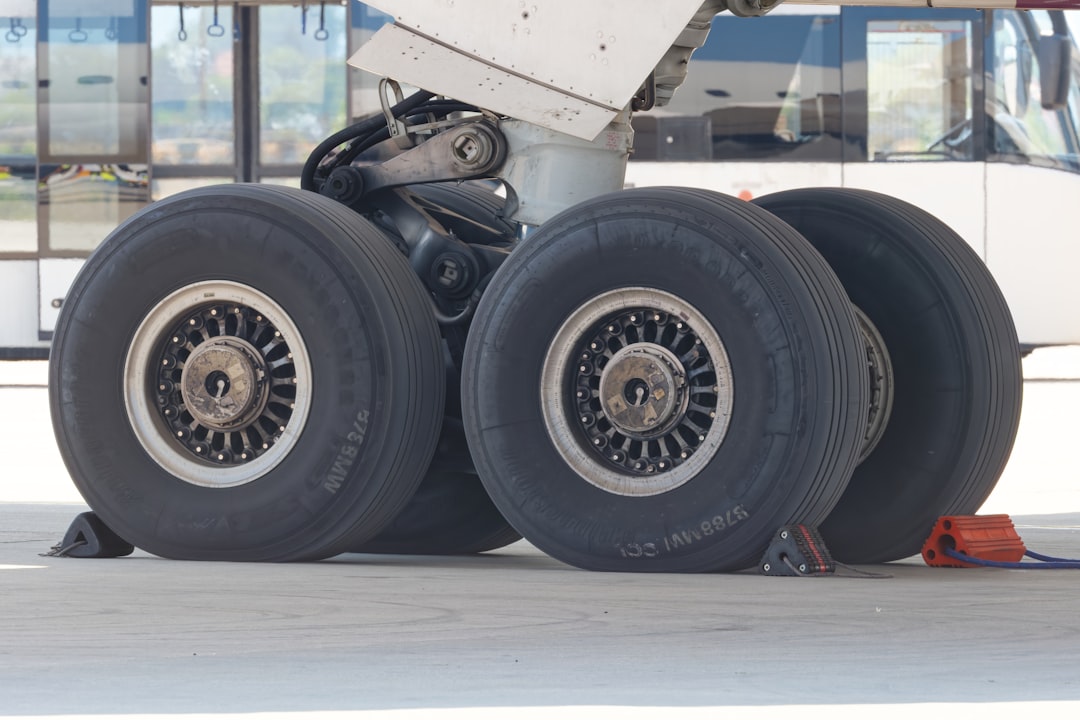
As the global economy continues to rely heavily on the transportation of goods, the risk of losses during transit remains a significant concern for businesses and individuals alike. Whether it’s a shipment of high-value electronics or a cargo of perishable goods, the potential for damage or loss can have devastating consequences. This is where the expertise of a transport loss adjuster comes into play. In this article, we’ll delve into the world of transport loss adjustment, exploring the role of a loss adjuster, the process of adjusting claims, and the benefits of working with a professional in this field.
Understanding the Role of a Transport Loss Adjuster
A transport loss adjuster is a professional who specializes in assessing and settling claims related to losses or damages that occur during the transportation of goods. Their primary role is to act as an intermediary between the policyholder and the insurance company, ensuring that claims are handled fairly and efficiently. With extensive knowledge of transportation laws, regulations, and industry practices, a transport loss adjuster is equipped to navigate the complexities of the claims process. They possess a unique blend of technical expertise, communication skills, and negotiation tactics, making them an invaluable asset in resolving disputes and minimizing losses.
In the event of a loss or damage, a transport loss adjuster will typically conduct a thorough investigation to determine the cause and extent of the damage. This may involve inspecting the damaged goods, reviewing shipping documents, and interviewing relevant parties. By gathering and analyzing evidence, the loss adjuster can establish a clear understanding of the circumstances surrounding the loss and provide an informed assessment of the claim. This expertise is crucial in ensuring that claims are settled fairly and in accordance with the terms of the insurance policy.
The Process of Adjusting Transport Claims
The process of adjusting transport claims involves several key steps, each of which requires careful consideration and attention to detail. The first step is to notify the insurance company of the loss or damage, providing them with all relevant documentation and evidence. The loss adjuster will then conduct a preliminary investigation to determine the cause and extent of the damage, which may involve working with experts such as surveyors or engineers.
Once the investigation is complete, the loss adjuster will prepare a detailed report outlining their findings and recommendations for settling the claim. This report will typically include an assessment of the damage, an estimate of the repair or replacement costs, and any relevant supporting documentation. The loss adjuster will then negotiate with the insurance company on behalf of the policyholder, working to secure a fair and timely settlement.
One of the key benefits of working with a transport loss adjuster is their ability to navigate the complexities of the claims process. With a deep understanding of transportation laws and regulations, they can identify potential issues and develop strategies to mitigate losses. For example, they may be able to identify opportunities to recover losses from third-party carriers or to negotiate more favorable settlement terms with the insurance company.
Benefits of Working with a Professional Transport Loss Adjuster
Working with a professional transport loss adjuster can have a significant impact on the outcome of a claim. By leveraging their expertise and experience, policyholders can ensure that their claims are handled efficiently and effectively, minimizing the risk of delays or disputes. A transport loss adjuster can also provide valuable guidance and support throughout the claims process, helping policyholders to navigate the complexities of transportation law and insurance regulations.
In addition to their technical expertise, a transport loss adjuster can also provide a range of other benefits, including access to a network of industry contacts and experts. This can be particularly useful in cases where specialized knowledge or equipment is required to assess or repair damaged goods. By working with a professional loss adjuster, policyholders can also benefit from their ability to negotiate with insurance companies and other stakeholders, securing more favorable settlement terms and minimizing the risk of costly disputes.
Best Practices for Preventing Transport Losses
While the expertise of a transport loss adjuster is invaluable in the event of a loss or damage, there are also steps that businesses and individuals can take to prevent transport losses from occurring in the first place. One of the most effective strategies is to ensure that goods are properly packaged and secured for transportation, using high-quality materials and adhering to industry best practices. This can include using sturdy packaging materials, securing goods with straps or tie-downs, and labeling packages clearly and accurately.
Another key strategy is to work with reputable transportation providers, selecting carriers that have a proven track record of safety and reliability. This can include researching the carrier’s safety record, checking for any outstanding claims or complaints, and verifying their insurance coverage and licensing. By taking these steps, businesses and individuals can minimize the risk of losses or damages during transit, reducing the need for costly claims and settlements.
In conclusion, the role of a transport loss adjuster is a critical one, providing expertise and guidance to policyholders in the event of a loss or damage. By understanding the process of adjusting transport claims and the benefits of working with a professional loss adjuster, businesses and individuals can navigate the complexities of the transportation industry with confidence. Whether you’re a seasoned logistics professional or just starting to explore the world of transportation, the insights and expertise of a transport loss adjuster can be a valuable asset in minimizing losses and maximizing recoveries. Key takeaways from this article include the importance of working with a professional loss adjuster, the need to prevent transport losses through proper packaging and carrier selection, and the benefits of leveraging industry expertise to navigate the claims process. By following these best practices and seeking the guidance of a transport loss adjuster, you can ensure that your goods are protected and your business is prepared for any eventuality.