
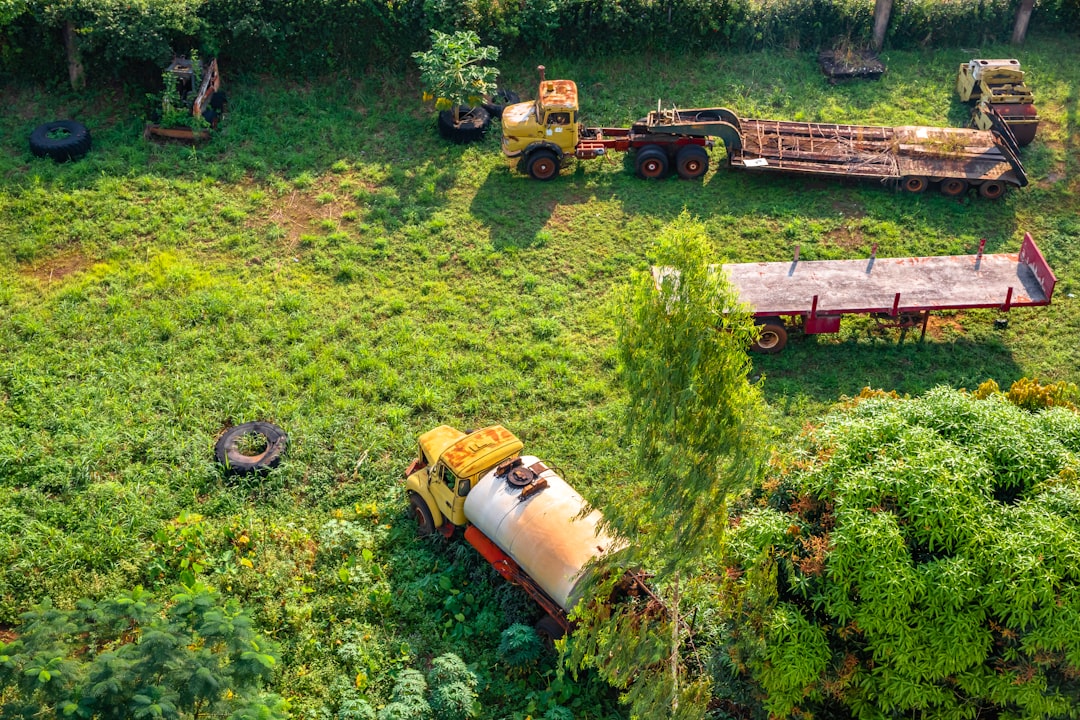
As a business owner or project manager in the construction, manufacturing, or logistics industry, you understand the importance of having reliable and functional plant and equipment. However, when these critical assets are damaged, it can lead to costly downtime, reduced productivity, and significant financial losses. In fact, a recent study revealed that equipment damage can result in losses of up to 20% of a company’s annual revenue. But what causes plant and equipment damage, and how can you prevent or mitigate its effects? In this article, we’ll delve into the world of plant and equipment damage, exploring its causes, consequences, and most importantly, strategies for prevention and mitigation.
Understanding the Causes of Plant and Equipment Damage
Plant and equipment damage can occur due to a variety of factors, including poor maintenance, operator error, natural disasters, and wear and tear. One of the most common causes of equipment damage is inadequate maintenance. When equipment is not properly serviced, it can lead to mechanical failures, overheating, and other issues that can cause significant damage. For instance, a study by the Construction Equipment Owners Association found that 70% of equipment failures are caused by poor maintenance practices. Additionally, operator error can also contribute to equipment damage. This can include mistakes such as overloading, improper use, or failure to follow safety protocols. Natural disasters, such as floods, earthquakes, and hurricanes, can also cause significant damage to plant and equipment.
To minimize the risk of equipment damage, it’s essential to implement a robust maintenance schedule, provide operators with comprehensive training, and ensure that all equipment is properly insured. Regular maintenance can help identify potential issues before they become major problems, while operator training can reduce the risk of human error. Insurance can provide financial protection in the event of unforeseen damage or loss. By taking these proactive steps, businesses can reduce the likelihood of equipment damage and minimize its impact on their operations.
Assessing the Consequences of Plant and Equipment Damage
The consequences of plant and equipment damage can be far-reaching and devastating. When equipment is damaged, it can lead to downtime, reduced productivity, and increased costs. In fact, a study by the National Institute of Building Sciences found that downtime can result in losses of up to $1 million per day. Moreover, equipment damage can also impact employee safety, as damaged equipment can pose a significant risk to operators and other personnel. In addition to these immediate consequences, equipment damage can also have long-term effects on a company’s reputation and bottom line. Repeated instances of equipment damage can lead to a loss of customer trust, reduced business opportunities, and decreased revenue.
To mitigate the consequences of equipment damage, it’s crucial to have a contingency plan in place. This can include identifying backup equipment, developing a repair and maintenance strategy, and establishing communication protocols to inform stakeholders of any disruptions. By having a plan in place, businesses can minimize the impact of equipment damage and ensure that operations are restored quickly and efficiently. Furthermore, investing in equipment monitoring and diagnostic technologies can help identify potential issues before they become major problems, reducing the risk of downtime and associated losses.
Strategies for Preventing and Mitigating Plant and Equipment Damage
Preventing and mitigating plant and equipment damage requires a proactive and multi-faceted approach. One of the most effective strategies is to implement a predictive maintenance program. This involves using advanced technologies, such as sensors and IoT devices, to monitor equipment performance and detect potential issues before they become major problems. Predictive maintenance can help reduce downtime, extend equipment lifespan, and minimize repair costs. Another strategy is to invest in operator training and development programs. By providing operators with comprehensive training and ongoing support, businesses can reduce the risk of human error and ensure that equipment is used safely and efficiently.
In addition to these strategies, businesses can also benefit from implementing a robust equipment inspection and testing program. Regular inspections can help identify potential issues, such as wear and tear, corrosion, or damage, and enable businesses to take corrective action before they become major problems. Furthermore, investing in equipment protection and shielding technologies can help safeguard against damage caused by natural disasters, accidents, or other unforeseen events. By taking a proactive and comprehensive approach to equipment maintenance and protection, businesses can minimize the risk of plant and equipment damage and ensure that their operations remain safe, efficient, and productive.
Best Practices for Managing Plant and Equipment Damage
When plant and equipment damage does occur, it’s essential to have a clear and effective management plan in place. This can include establishing a damage assessment protocol, developing a repair and maintenance strategy, and coordinating with stakeholders to minimize disruptions. One of the most important best practices is to conduct a thorough damage assessment, which involves identifying the extent and cause of the damage, as well as determining the necessary repairs and maintenance. This can help businesses develop an effective repair plan, prioritize repairs, and allocate resources efficiently.
Another best practice is to maintain accurate and detailed records of equipment maintenance, repair, and damage. This can help businesses track equipment performance, identify potential issues, and make informed decisions about equipment replacement or upgrade. Furthermore, investing in equipment management software can help streamline maintenance and repair processes, reduce administrative burdens, and improve communication and collaboration between stakeholders. By adopting these best practices, businesses can ensure that they are well-equipped to manage plant and equipment damage, minimize its impact, and maintain their operations with minimal disruption.
In conclusion, plant and equipment damage can have significant consequences for businesses, ranging from downtime and reduced productivity to financial losses and reputational damage. However, by understanding the causes of equipment damage, assessing its consequences, and implementing strategies for prevention and mitigation, businesses can minimize the risk of equipment damage and ensure that their operations remain safe, efficient, and productive. Key takeaways from this article include the importance of regular maintenance, operator training, and equipment protection, as well as the need for a comprehensive equipment management plan and contingency strategy. By prioritizing equipment maintenance and protection, businesses can reduce the likelihood of equipment damage, minimize its impact, and maintain their competitive edge in an increasingly challenging and dynamic market.