
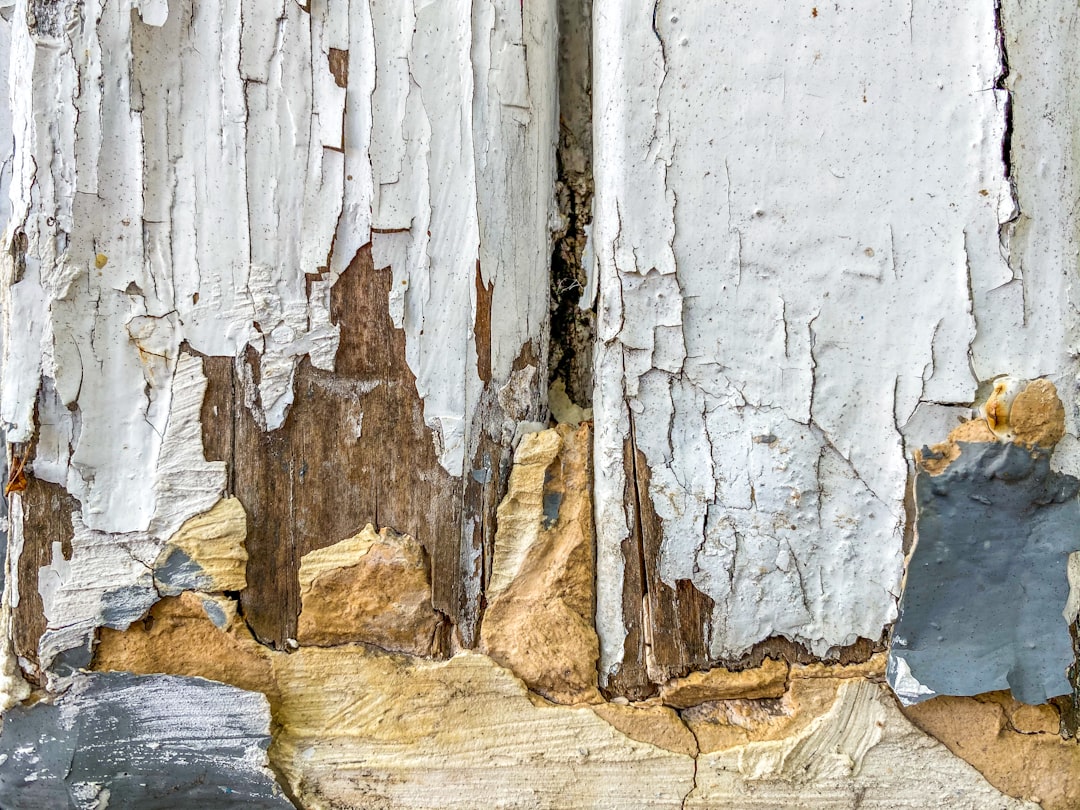
Are you a homeowner or business owner who has recently suffered property damage due to a natural disaster, accident, or other unforeseen event? If so, you’re likely feeling overwhelmed and unsure of where to turn. One crucial step in the recovery process is working with a property damage loss adjuster. But what exactly does a loss adjuster do, and how can they help you navigate the complex world of insurance claims? In this comprehensive guide, we’ll delve into the world of property damage loss adjustment, exploring the role of a loss adjuster, the benefits of hiring one, and the key steps involved in the claims process.
What is a Property Damage Loss Adjuster?
A property damage loss adjuster is an insurance professional who specializes in assessing and evaluating property damage claims. Their primary role is to determine the extent of the damage, estimate the cost of repairs or replacement, and negotiate with insurance companies on behalf of the policyholder. Loss adjusters are often hired by insurance companies to investigate claims, but policyholders can also hire their own adjuster to represent their interests. This can be particularly beneficial in cases where the insurance company’s adjuster may not have the policyholder’s best interests at heart. By hiring a public adjuster, policyholders can ensure that their claim is handled fairly and that they receive the maximum amount of compensation they’re entitled to.
The Benefits of Hiring a Property Damage Loss Adjuster
Hiring a property damage loss adjuster can be a game-changer for policyholders who are navigating the complex and often confusing world of insurance claims. One of the primary benefits of hiring a loss adjuster is that they can help policyholders navigate the claims process, ensuring that all necessary documentation and evidence is submitted to the insurance company. This can be particularly helpful for policyholders who are not familiar with the claims process or who are dealing with extensive damage. Additionally, loss adjusters have the expertise and knowledge to identify all areas of damage, including those that may not be immediately apparent. This can help ensure that policyholders receive the maximum amount of compensation they’re entitled to, rather than settling for a lower amount that may not fully cover the cost of repairs.
Another benefit of hiring a property damage loss adjuster is that they can help policyholders avoid common pitfalls and mistakes that can delay or even deny a claim. For example, failure to provide adequate documentation or evidence can significantly delay the claims process, while submitting a claim that is incomplete or inaccurate can result in a denial. By working with a loss adjuster, policyholders can ensure that their claim is handled correctly from the start, minimizing the risk of delays or denials. Furthermore, loss adjusters can help policyholders negotiate with insurance companies, ensuring that they receive a fair settlement. This can be particularly beneficial in cases where the insurance company is offering a low settlement amount or is disputing the extent of the damage.
The Claims Process: A Step-by-Step Guide
The claims process can be complex and overwhelming, especially for policyholders who are dealing with extensive damage. Here’s a step-by-step guide to help you navigate the process:
1. Notify your insurance company: The first step in the claims process is to notify your insurance company of the damage. This should be done as soon as possible, as most insurance policies require policyholders to report damage within a certain timeframe.
2. Document the damage: Once you’ve notified your insurance company, it’s essential to document the damage. This includes taking photos and videos of the damage, as well as keeping a record of any correspondence with your insurance company.
3. Hire a loss adjuster: If you haven’t already, consider hiring a property damage loss adjuster to represent your interests. They can help you navigate the claims process and ensure that you receive a fair settlement.
4. Submit your claim: Once you’ve documented the damage and hired a loss adjuster, it’s time to submit your claim. This typically involves providing your insurance company with detailed information about the damage, including photos, videos, and estimates for repairs.
5. Negotiate with your insurance company: After you’ve submitted your claim, your insurance company will review it and determine the extent of the damage. If they offer a settlement amount that you’re not happy with, you can negotiate with them to try to reach a fair agreement.
Tips for Working with a Property Damage Loss Adjuster
If you’ve decided to hire a property damage loss adjuster, here are a few tips to keep in mind:
1. Do your research: Before hiring a loss adjuster, do your research to ensure that you’re hiring a reputable and experienced professional. Check online reviews, ask for referrals, and verify their credentials.
2. Clearly communicate your needs: Once you’ve hired a loss adjuster, clearly communicate your needs and expectations. This includes providing them with detailed information about the damage, as well as any concerns you may have about the claims process.
3. Stay involved: While a loss adjuster can be a huge help, it’s essential to stay involved in the claims process. This includes attending meetings with your insurance company, reviewing documentation, and asking questions if you’re unsure about anything.
4. Be patient: The claims process can be lengthy and complex, so it’s essential to be patient. Avoid rushing the process, and ensure that you’re taking the time to carefully review and consider any settlement offers.
In conclusion, working with a property damage loss adjuster can be a game-changer for policyholders who are navigating the complex world of insurance claims. By understanding the role of a loss adjuster, the benefits of hiring one, and the key steps involved in the claims process, policyholders can ensure that they receive a fair settlement and get back on their feet as quickly as possible. Remember to do your research, clearly communicate your needs, stay involved in the process, and be patient. With the right guidance and support, you can navigate even the most complex insurance claims with confidence. Key takeaways include:
- A property damage loss adjuster can help policyholders navigate the claims process and ensure that they receive a fair settlement.
- Hiring a loss adjuster can be beneficial in cases where the insurance company’s adjuster may not have the policyholder’s best interests at heart.
- The claims process involves notifying your insurance company, documenting the damage, submitting your claim, and negotiating with your insurance company.
- Tips for working with a loss adjuster include doing your research, clearly communicating your needs, staying involved in the process, and being patient.
By following these tips and working with a reputable and experienced loss adjuster, you can ensure that your insurance claim is handled correctly and that you receive the maximum amount of compensation you’re entitled to.